“Ukraine talks,” “peace negotiations,” “US-brokered peace talks”: for weeks, the media have been reporting on the so-called “peace process” for Ukraine led by the United States. The reporting largely ignores whether such negotiations can be effective. Nor does it address the question everyone should be asking: who should be determining Ukraine's future?
Two workshops for 60 women peacebuilders directly affected by the armed conflict focused on strengthening their capacity to increase the visibility of their peace work and to advocate for their inclusion in peace processes. The workshops, organised by Badya Centre for Integrated Development Services, took place in Dilling, South Kordofan State, in southern Sudan in February 2025. We supported these workshops with our Feminist Peace Initiatives.
With Resolution 1325 on Women, Peace and Security, the UN Security Council passed a milestone in feminist peace and security policy in October 2000, marking the launch of the Women, Peace and Security (WPS) agenda. The WPS agenda lies at the core of our work across our programmes, in our advocacy and in our work with our global network Feminists Connecting for Peace.
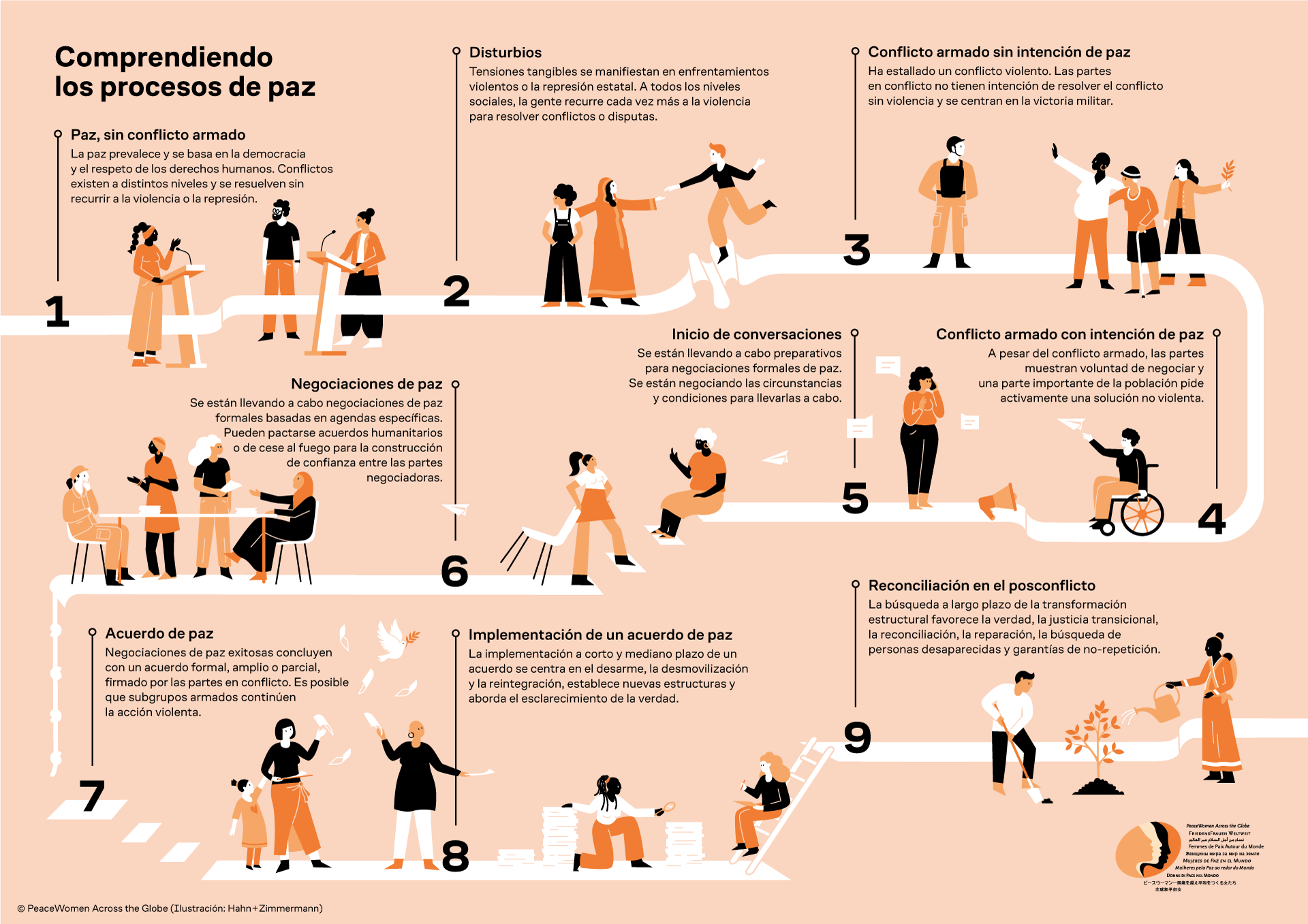
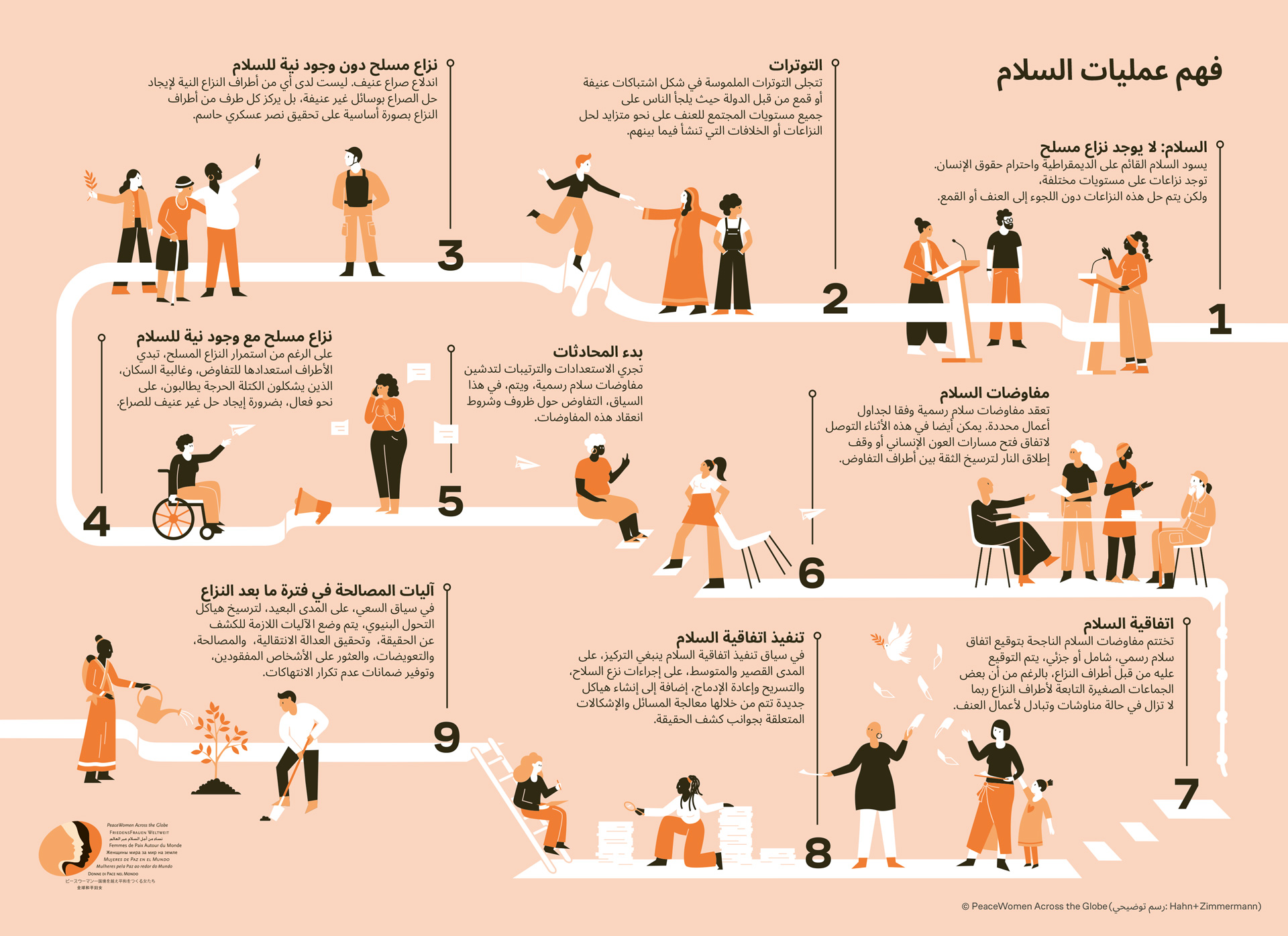
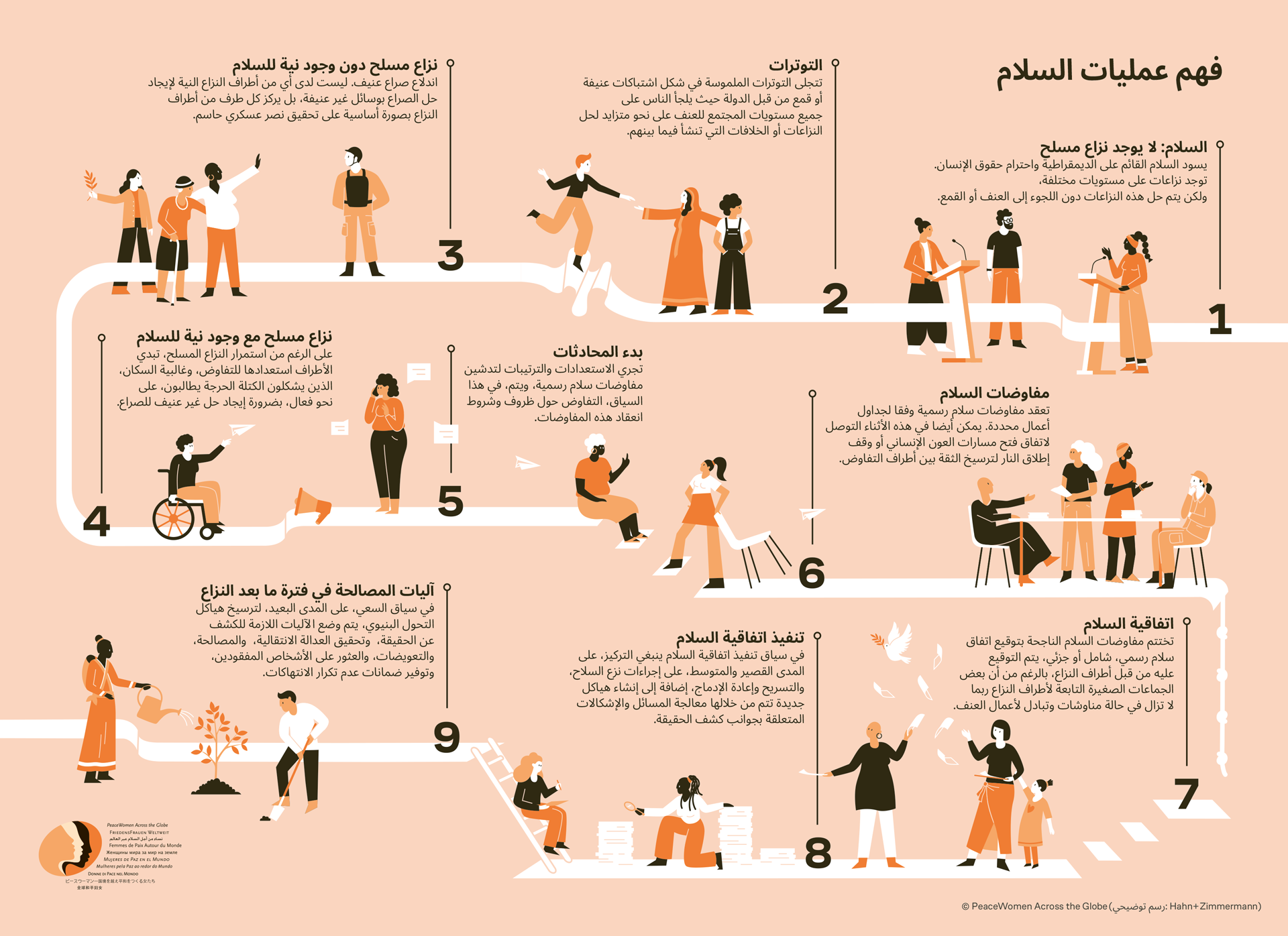
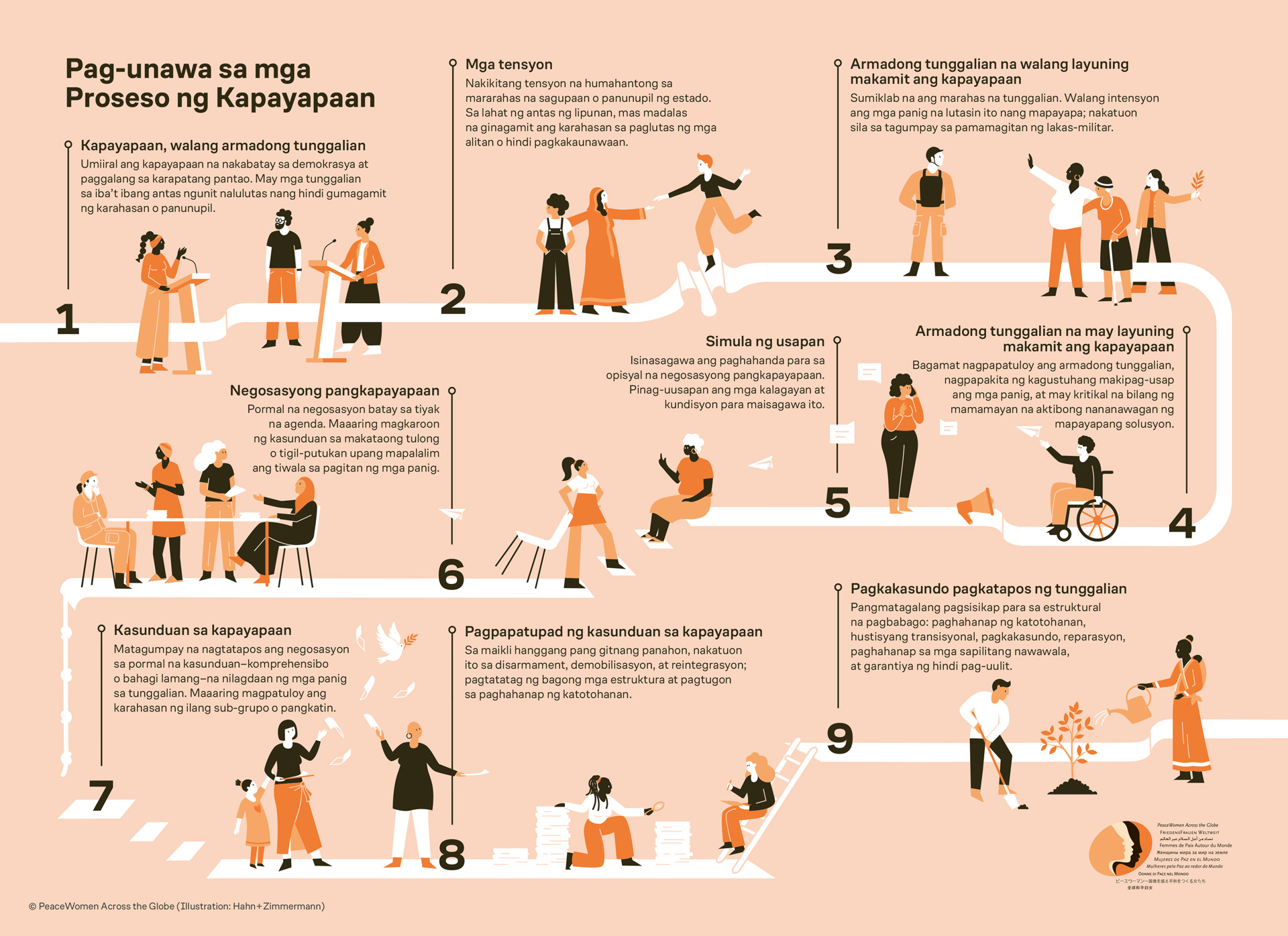
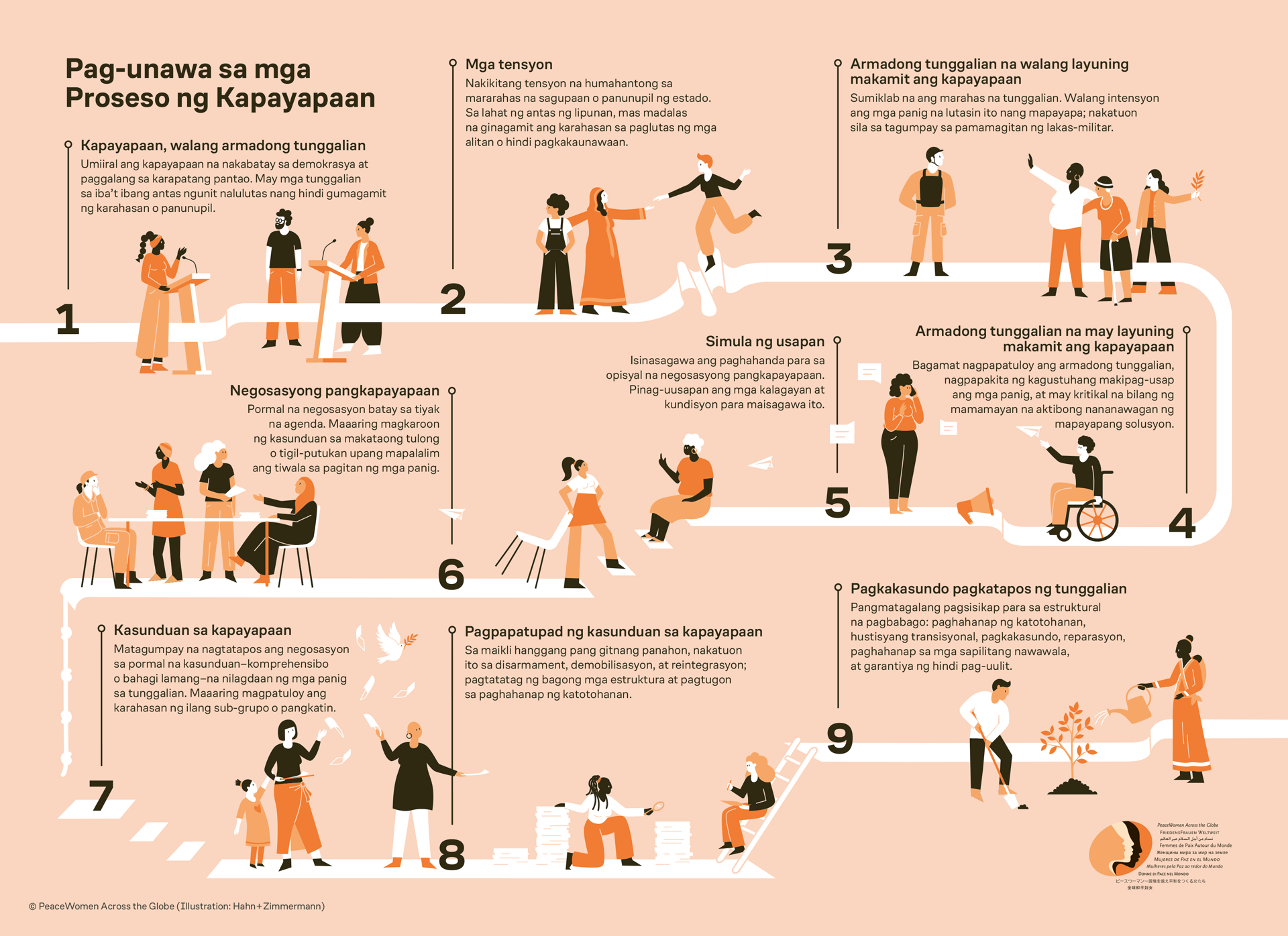
What images do the words "peace processes" evoke in your mind? Do you imagine years of negotiations culminating in a ceremony where the parties to the conflict sign an agreement, followed by a photo of the handshake that goes around the world? We questioned and deconstructed this common perception and took an in-depth look at peace processes focusing on the question: "How do women influence peace processes?’"
In this issue of our newsletter, our Ukrainian partners report on the changes they have noticed over the last two years in the participants of our meetings with war-affected women from Ukraine. In another article, you will find out which topics were at the centre of discussions for 17 peace activists from 10 Asian countries at the network meeting in Manila. You can also find out what was on the programme during the visit of Sudanese peace activist Rabab Baldo and Colombian human rights lawyer Luz Marina Monzón Cifuentes in Bern.